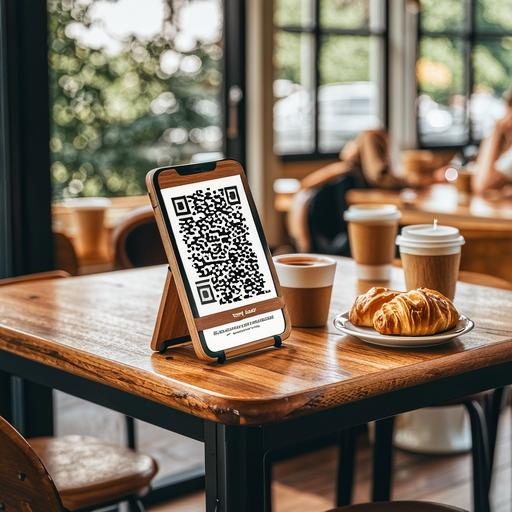
Across Europe and America, those once-ignored checkerboard squares – QR codes – have evolved from marketing novelties into indispensable tools woven into the fabric of daily life. This transformation, accelerated by necessity, now represents a significant shift in consumer interactions, business operations, and public services, driven by a unique blend of tech pragmatism and evolving cultural expectations.
The Commerce Transformation
The most visible impact is in the realm of commerce. Contactless payments, fueled by hygiene concerns during the pandemic, have become the norm. From bustling London pubs to cozy Parisian cafés and busy New York food trucks, patrons effortlessly scan codes to settle bills, eliminating physical menus and cash handling. This shift isn't just about convenience; it reflects a growing expectation for frictionless, efficient service experiences. Retailers leverage QR codes for instant access to product details, reviews, and loyalty programs displayed subtly on shelves or tags, empowering informed decisions without overwhelming staff.
Revolutionizing Customer Engagement
Beyond payments, QR codes are revolutionizing customer engagement. Restaurants, particularly in metropolitan hubs, have largely replaced bulky physical menus with dynamic QR versions. Many businesses now use a free dynamic QR code generator to create these interactive menus, allowing for instant updates to offerings, allergy information, and even links to booking systems or wine pairing videos.
Museums and galleries use them extensively, offering visitors on-demand access to rich multimedia content, artist biographies, and detailed exhibit backgrounds, enhancing the cultural experience without cluttering the physical space. Similarly, transport systems integrate QR codes for instant timetable access, service updates, and touchless ticket validation.
Public Service Integration
Public services are also harnessing this technology. Health authorities widely adopted QR-based vaccination records and test results, facilitating travel and access to venues efficiently. Local governments use them for quick access to municipal services, event information, and permit applications posted on community boards or government websites. Even tourism thrives on them, with trails and landmarks featuring codes that unlock historical narratives, maps, and audio guides, enriching exploration.
Branding and Communication Enhancements
For businesses looking to stand out, a custom QR code with logo adds branding while maintaining functionality. Whether for marketing campaigns, product packaging, or event promotions, these branded codes enhance recognition and trust. Meanwhile, a QR code for WhatsApp link simplifies direct communication, allowing customers to instantly connect with businesses via the popular messaging platform.
The Cultural Shift
This widespread adoption speaks to a cultural shift in Europe and America: a demand for streamlined efficiency, readily accessible information, and personalized control over interactions. While privacy considerations regarding data collection remain an ongoing conversation, the convenience and utility offered by QR codes have secured their place. They are no longer a gimmick but a fundamental, often invisible, connector bridging the physical and digital worlds, making everyday transactions smoother and information consumption richer. Their quiet revolution continues, subtly reshaping how we live, shop, travel, and interact.
For those seeking a QR code generator for free, or exploring options like a Generator Kode QR, the technology is now more accessible than ever, empowering businesses and individuals alike to integrate this powerful tool into their daily operations.