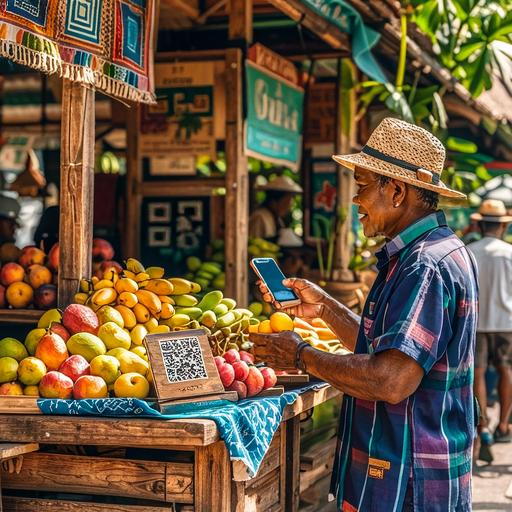
QR codes have transformed from niche tech novelties into essential tools across Indonesia, revolutionizing digital payments, commerce, and even religious practices. Whether you need a QR code generator for business or personal use, understanding their impact and future challenges is crucial.
The Rise of QR Codes in Indonesia
Driven by the central bank's 2017 standardization (QRIS), QR codes became the foundation of Indonesia’s digital payment ecosystem. From Jakarta’s bustling Tanah Abang market to Surabaya’s street food stalls, QR payments have seamlessly integrated into daily transactions.
The simplicity of a printed code on cardboard empowered small traders, aligning perfectly with the country’s informal economy. Religious institutions also embraced QR technology, with mosques and temples displaying codes for digital donations ("sodaqoh" or offerings).
Ride-hailing apps, food delivery services, and even parking attendants adopted QR-based payments, shifting consumer behavior away from cash dependence.
Critical Challenges and Power Imbalances
Despite widespread adoption, QRIS standardization has centralized control over payment infrastructure, favoring large financial institutions over smaller banks and fintech innovators.
Additionally, reliance on private telecom networks excludes regions like Maluku and Papua due to poor internet coverage, worsening regional inequalities. Privacy concerns also arise as transaction data flows through central banks.
The push toward cashlessness may further marginalize older generations and rural communities less familiar with smartphones, creating data breach risks and potential misuse.
Future Challenges for QR Code Sustainability
To maintain QR code relevance, Indonesia must address key vulnerabilities:
- Cybersecurity threats require stronger national standards and infrastructure resilience
- Digital divide demands investment in affordable internet and digital literacy programs
- Regulatory frameworks must balance consumer data protection with innovation
- Technological self-sufficiency is crucial to reduce reliance on foreign QR standards
Optimizing QR Codes for Modern Use
For businesses and individuals, using a free dynamic QR code generator allows easy updates without reprinting codes. A custom QR code with logo enhances brand recognition.
A QR code for WhatsApp link simplifies customer engagement. If you need a reliable QR code generator, explore tools that offer flexibility and security.
For Indonesian users, a Generator Kode QR can help create codes tailored to local needs.
Conclusion
QR codes have reshaped Indonesia’s digital landscape, but their future depends on addressing systemic inequalities and security risks. By leveraging tools like a QR code generator for free, businesses can stay ahead.
For more insights and tools, visit qrspider.com today!