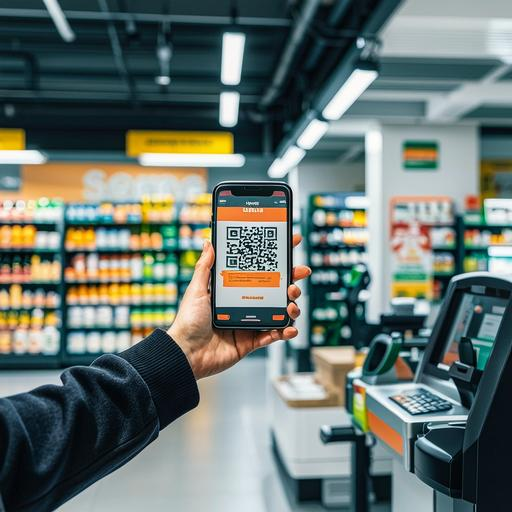
QR codes have revolutionized daily life across Europe and America, emerging from pandemic-era necessity to become a staple of modern convenience—powered in part by the widespread adoption of QR code generator tools. In European cities, QR adoption surged due to stringent hygiene norms and digital-forward policies; for instance, restaurants in Paris now feature scannable menus created with a free dynamic QR code generator, while museums in Amsterdam use them for contactless ticketing, enhancing visitor experiences without compromising GDPR-compliant privacy.
American Integration Patterns
Similarly, in American towns, QR codes streamline retail and entertainment—small shops in Midwest regions employ them for mobile payments (often using a custom QR code with logo for brand recognition), cutting cash reliance, and venues like Chicago theaters enable quick entry via digital tickets, reflecting a cultural shift towards speed and accessibility. Broader applications span public transport in German urban centers for real-time schedules and health passes in UK clinics, though challenges like digital divides in rural US areas and phishing risks demand ongoing solutions.
Future Innovations
Emerging technologies include dynamic QR codes for personalized marketing (easily created with a free dynamic QR code generator) or augmented reality integrations in French smart cities, promising deeper societal integration. Businesses are also leveraging QR code for WhatsApp link solutions to enhance customer engagement, allowing instant messaging with a simple scan.
Balancing Convenience and Security
As Western societies evolve with QR technology—including versatile QR code generator for free tools—the focus remains on fostering connected ecosystems while addressing inclusivity concerns. Key developments include:
- Generator Kode QR options supporting multilingual users
- Branded custom QR code with logo designs increasing brand recall
- QR code for WhatsApp link implementations driving instant engagement
From interactive museum guides to contactless payments, QR codes now seamlessly bridge physical and digital realms, demonstrating remarkable adaptability to diverse Western cultural contexts and technological needs.