QR codes have seamlessly integrated into Indonesia's social and economic fabric, transcending urban-rural divides. From bustling traditional markets to religious sites, the demand for a reliable QR code generator has surged, enabling businesses and individuals to create free dynamic QR code generator solutions for diverse needs.
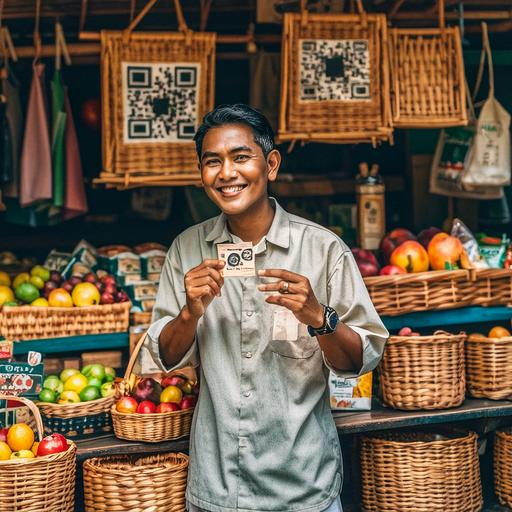
In markets, handwritten price tags now sit alongside printed QRIS (Quick Response Code Indonesian Standard) stickers, many generated using custom QR code with logo tools that enhance brand visibility. Small warung owners report over 60% of transactions shifting to e-wallets via QR, significantly reducing cash handling costs.
Beyond commerce, these pixelated squares appear on ancestral graves during Nyepi silence, allowing families to scan for digital offerings. Religious sites utilize QR codes—often created with a QR code for WhatsApp link—to share multilingual historical narratives, replacing bulky pamphlets.
The technology's adoption reflects Indonesia's cultural adaptability. Warung patrons willingly switch payment modes mid-transaction if QR scanning fails—a pragmatic approach mirroring the national "jam karet" (rubber time) flexibility.
Public transport systems now use free dynamic QR code generator platforms for ticketing, while street vendors leverage Generator Kode QR solutions to accept digital payments. Local governments also employ custom QR code with logo systems for vendor permits, balancing regulation with livelihoods.
Challenges like monsoon humidity damaging paper codes or limited smartphone literacy persist, but solutions like laminated QR protectors and community tech mentoring are emerging. For businesses seeking to join this digital shift, a QR code for WhatsApp link can bridge connectivity gaps in remote areas.
Indonesia's QR evolution showcases how QR code generator for free tools are not just transactional but connectors, fostering inclusive economic participation nationwide. Whether for payments, heritage preservation, or vendor management, QR technology is reshaping daily life across the archipelago.