Synopsis: This critical analysis explores QR code generator applications in Indonesia's F&B sector, emphasizing cultural integration for hygiene, halal transparency, and mobile convenience amid digital adoption challenges.
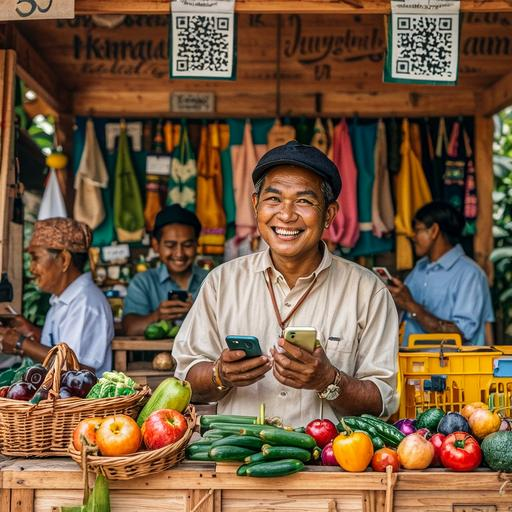
Opening Paragraph: Across Indonesia's diverse culinary hubs like Surabaya's bustling markets, QR code generator technology is transforming everyday food experiences—replacing physical menus to uphold communal dining traditions while ensuring safety through contactless ordering and payment. From free dynamic QR code generator solutions for small vendors to custom QR code with logo options for branded restaurants, businesses are leveraging these tools to enhance customer engagement. Whether linking to digital menus or a QR code for WhatsApp link for instant reservations, this innovation reflects a post-pandemic shift toward seamless, tech-driven dining.
The Rise of QR Codes in Indonesia’s F&B Industry
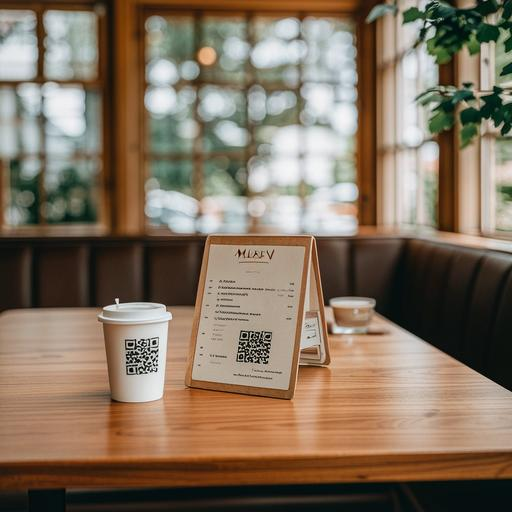
Indonesia’s food and beverage sector is rapidly adopting QR codes to bridge digital and cultural gaps. A QR code generator for free enables even small warungs (local eateries) to implement contactless menus, reducing physical touchpoints while preserving Indonesia’s communal dining culture. Meanwhile, upscale restaurants use custom QR code with logo designs to reinforce branding and trust, particularly for halal certification transparency.
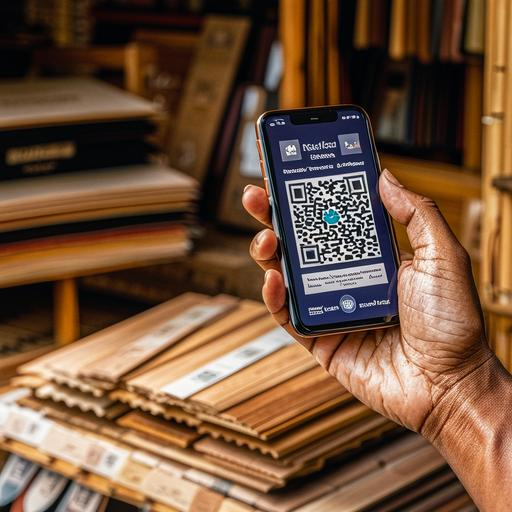
For businesses targeting younger, tech-savvy consumers, a QR code for WhatsApp link simplifies communication—allowing diners to place orders or inquire about promotions instantly. The flexibility of a free dynamic QR code generator also means vendors can update menu items or promotions without reprinting materials, saving costs in a competitive market.
Cultural Adaptation and Practical Benefits
The success of Generator Kode QR solutions in Indonesia lies in their adaptability. Street food vendors use them for quick payments, while fine-dining establishments integrate them for multi-language menu access. The custom QR code with logo feature helps halal-certified businesses display authenticity, addressing a key concern for Muslim-majority consumers.
Additionally, the free dynamic QR code generator model supports sustainability by reducing paper waste—a growing priority in urban centers like Jakarta and Bali. For customer engagement, embedding a QR code for WhatsApp link fosters direct interaction, enhancing loyalty in a market where personal connection drives repeat business.
Conclusion
From street-side satay stalls to high-end cafes, QR code generator technology is reshaping Indonesia’s F&B landscape. Whether through free dynamic QR code generator accessibility, branded custom QR code with logo solutions, or convenient QR code for WhatsApp link integrations, businesses are finding innovative ways to merge tradition with digital progress. As adoption grows, these tools will continue to redefine hygiene, transparency, and convenience in Indonesia’s vibrant culinary scene.