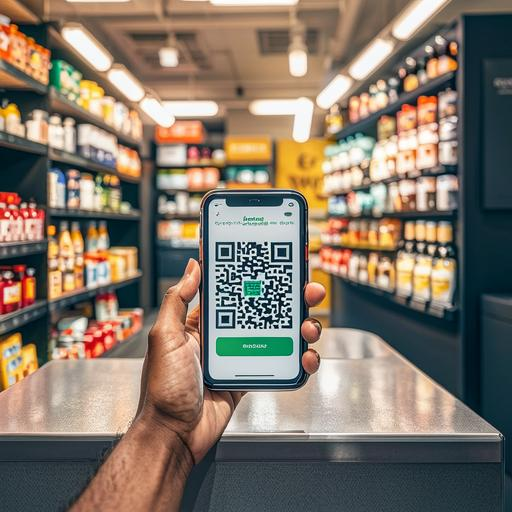
Indonesia's vast archipelago, rich in natural resources like palm oil, rubber, coffee, and minerals, faces inherent challenges in commodity trade: complex logistics, traceability issues, and documentation bottlenecks. QR code generator technology is emerging as a potent, culturally resonant solution, weaving digital efficiency into the fabric of this critical sector.
With tools like a free dynamic QR code generator, even small-scale producers can now participate in transparent supply chains. The integration aligns well with Indonesia's rapid mobile adoption and cultural shift towards digital convenience.
QR Codes: Bridging Gaps in Commodity Trade
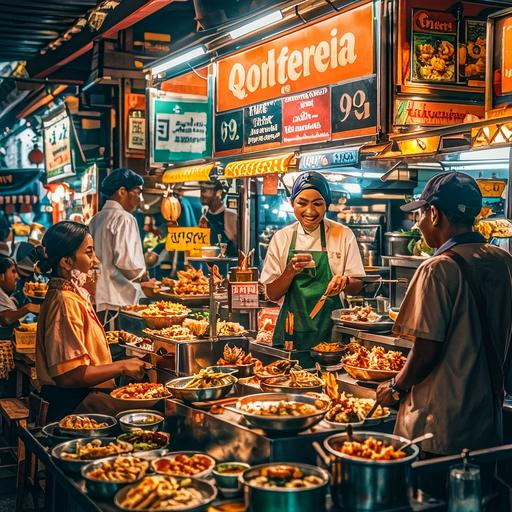
Just as QR-based payments (like those linked to the national QR standard, QRIS) have become commonplace in warungs and markets, the same familiarity is being leveraged upstream. Farmers and smallholders in Sumatra's palm oil belts or Sulawesi's spice regions can now access real-time market prices.
They also obtain fair trade certifications via simple scans, empowering them directly – a crucial step in equitable value chains. Many cooperatives use a custom QR code with logo to brand their products while embedding authentication data.
Empowering Smallholders and Streamlining Trade
Buyers at major commodity ports in Kalimantan or Java instantly verify shipment origins, quality reports, and phytosanitary certificates embedded in dynamic QR codes. This drastically reduces fraud risks and paperwork delays endemic to cross-island trade.
For export-oriented commodities, QR codes become digital passports. Coffee beans from Flores or Papua track their journey from highland cooperative to international roaster.
Digital Passports for Exports and Domestic Efficiency
QR codes provide buyers with authenticated proof of origin, organic status, and sustainable farming practices. This digital traceability isn't just about efficiency; it meets stringent international regulations.
It caters to the growing consumer demand for ethical sourcing – enhancing Indonesia's brand as a responsible commodity producer. Within domestic supply chains, especially for perishables like Java-grown horticultural products.
QR tags on crates provide live temperature and humidity data during transit, minimizing spoilage and optimizing inventory management for distributors across crowded urban centers.
Simplicity and Accessibility: Key to Adoption
The beauty lies in its simplicity and low-tech accessibility. Unlike complex IoT setups, a basic smartphone suffices to unlock a wealth of data. This is vital in a country where technological infrastructure varies widely across its 17,000 islands.
A QR code generator for free enables even remote farmers to create trackable labels without upfront costs.
Furthermore, QR-based systems can integrate with local languages and dialects, ensuring wider adoption beyond major urban centers. By providing transparent, immutable data accessible at the point of transaction.
Whether at a village collection point or a Jakarta export terminal – QR codes build trust across traditionally fragmented supply chains.
Enhancing Communication and Integration
For businesses looking to connect directly with buyers, a QR code for WhatsApp link simplifies communication, allowing instant inquiries about product availability or shipment status.
They act as digital enablers, fostering a more integrated, efficient, and ultimately more competitive Indonesian commodity trade ecosystem firmly rooted in its unique logistical and cultural context.
The digital thread woven by QR technology, supported by accessible tools like Generator Kode QR, promises to strengthen the foundations of this vital economic pillar.